


























 DE
DE ES
ES FR
FR IT
IT PL
PL PT
PT TR
TR UA
UA EN
EN CZ
CZ RU
RURanunculus – growing, planting and caring for the elegant Persian buttercup
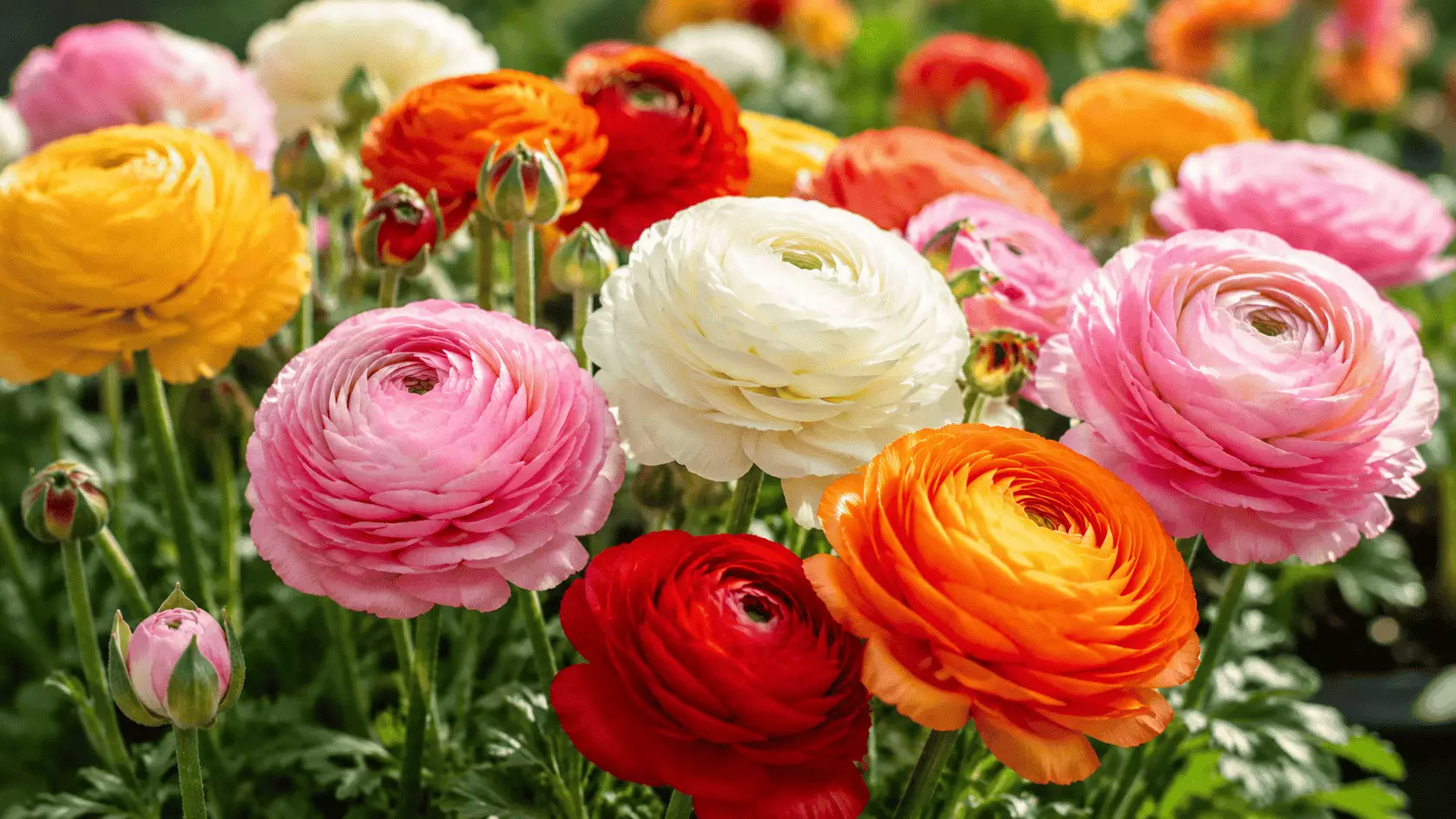
Ranunculus is one of the most admired ornamental flowers thanks to its lush, layered blooms. Its flowers resemble roses and peonies, making it a favorite among florists and gardeners alike. Today, ranunculus brightens flower beds, balconies, patios, and premium floral arrangements. With an impressive range of colors, it suits everything from romantic bouquets to modern garden designs.
Whether you're planning to grow ranunculus yourself or simply want to learn more about this beautiful flower, understanding its growing requirements is the key to success. With proper care, it produces spectacular blooms that last for weeks and performs equally well in the garden or in containers.
Ranunculus – description and characteristics
Ranunculus, commonly known as the Persian buttercup, belongs to the Ranunculaceae family. While many species exist in nature, ornamental hybrids are the ones most commonly cultivated for gardens and cut flowers.
A typical ranunculus description begins with its extraordinary blooms. Dozens of delicate petals form perfectly rounded flowers that gradually unfold into elegant blossoms resembling miniature roses.
Ranunculus flowers are available in white, cream, yellow, orange, pink, red, burgundy, and even bicolor varieties. Their refined appearance and long vase life make them one of the most sought-after flowers for weddings and special occasions.
Ranunculus – growing from tubers and seeds
Ranunculus growing usually starts with tubers. Before planting, the tubers should be soaked in water for several hours to help them rehydrate and encourage healthy growth.
Plant them in spring once the soil has warmed and the danger of frost has passed. Choose a sunny location with fertile, loose, and well-drained soil.
Growing ranunculus from seed is also possible, although it requires more patience and attention. Seed-grown plants generally bloom later than those grown from tubers.
With favorable conditions, the first flowers typically appear from late spring through early summer.
Ranunculus – planting and care
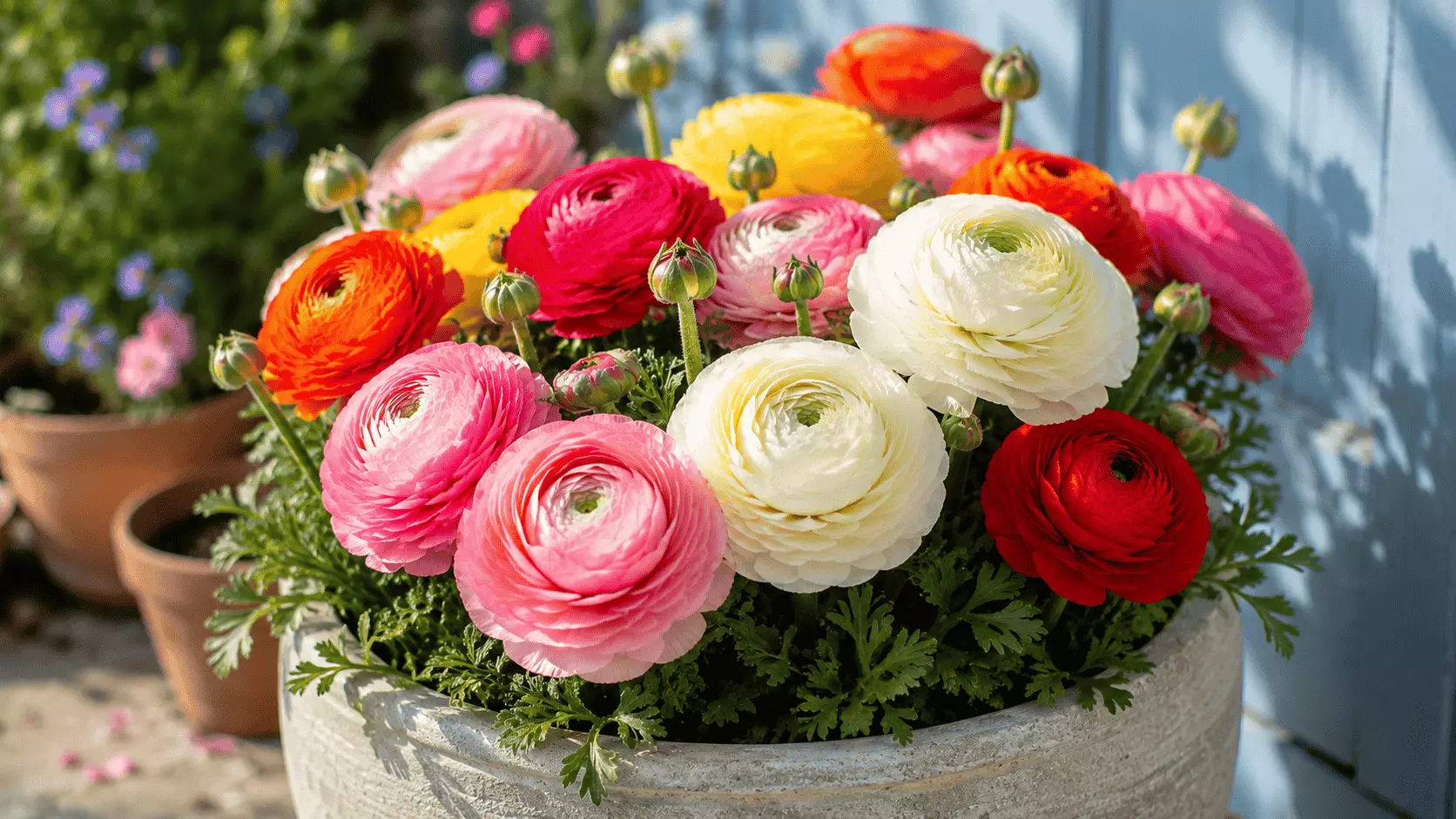
The ranunculus flower prefers moderate watering. The soil should remain slightly moist without becoming waterlogged, as excessive moisture may cause the tubers to rot.
During active growth, feeding with a balanced fertilizer designed for flowering plants encourages vigorous development and abundant blooms. Removing faded flowers regularly helps the plant continue producing new buds.
After flowering finishes, watering should gradually be reduced. Once the foliage has completely dried, the tubers can be lifted, cleaned, and stored in a cool, dry place until the following planting season.
These simple care practices help ensure healthy plants and impressive flowering year after year.
Ranunculus in pots
Growing ranunculus in pots has become increasingly popular. Thanks to its compact size, it is ideal for balconies, terraces, patios, and sunny windowsills.
Use a lightweight, well-drained potting mix and a container with proper drainage holes. Place the pot in a bright location where the plant receives several hours of sunlight each day while avoiding prolonged extreme afternoon heat.
Container-grown ranunculus usually requires slightly more frequent watering because the soil dries faster than in the garden. However, overwatering should still be avoided.
Under suitable conditions, potted ranunculus remains attractive throughout its flowering season and makes a beautiful decorative accent.
Ranunculus in bouquets and landscape design
Ranunculus has become one of the signature flowers of modern floral design. It is widely used in bridal bouquets, luxury flower arrangements, and elegant gift bouquets.
Its densely layered petals remain fresh for an extended period after cutting and pair beautifully with roses, peonies, anemones, lisianthus, eucalyptus, and seasonal greenery.
In landscape design, ranunculus adds vibrant color to flower beds, borders, decorative containers, and cottage gardens. Its compact growth habit makes it equally suitable for large landscapes and small outdoor spaces.
Ranunculus – timeless beauty for gardens and floral gifts
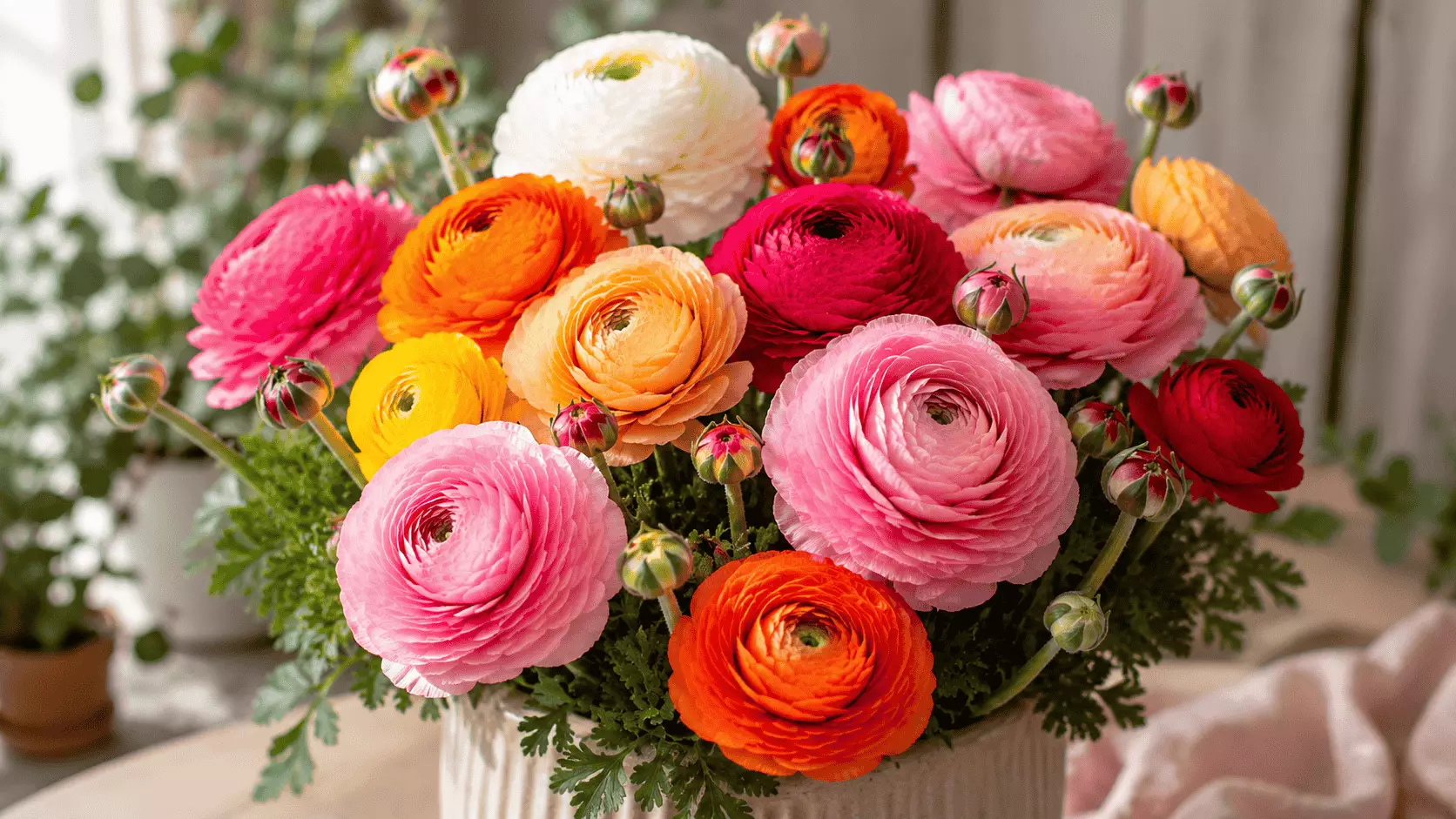
Ranunculus combines graceful beauty, rich colors, and relatively easy care, making it a wonderful choice for every flower lover. Whether blooming in the garden or arranged in a bouquet, it always creates an elegant impression. If you're looking for stunning ranunculus bouquets or other premium floral gifts, visit la-flora.net. You'll discover beautifully crafted flower arrangements, convenient payment options, and fast flower delivery across Ukraine and many other countries.
FAQ
What is ranunculus?
Ranunculus is an ornamental flowering plant from the buttercup family. It is famous for its full, rose-like blooms and is widely grown in gardens and used in floral arrangements.
When should ranunculus be planted?
Tubers are usually planted in spring after the risk of frost has passed and the soil has warmed. In milder climates, planting can begin earlier.
Can ranunculus be grown in pots?
Yes. Ranunculus grows very well in containers when provided with well-drained soil, adequate sunlight, and moderate watering.
How should ranunculus tubers be stored over winter?
After the foliage dies back, lift the tubers, allow them to dry thoroughly, and store them in a cool, dry, frost-free place until the next growing season.
Why isn't my ranunculus flowering?
Insufficient sunlight, excessive watering, poor soil conditions, or improperly stored tubers are the most common reasons. Providing the right growing conditions usually results in healthy plants with abundant blooms.